
Essays Without the Noise
These essays are written with one goal in mind: more signal, less noise. Here you will find historical perspective, medical and policy analysis, and measured commentary on the presidency, healthcare, medicine, and public life—written to illuminate rather than inflame.
Is Reform Even Possible? A Path Forward for American Healthcare
In this second essay, I move from diagnosis to prescription. The American healthcare problem runs deeper than coverage alone, and so must reform. This post examines hospital pricing, administrative bloat, primary care, drug intermediaries, patient powerlessness, healthcare literacy, AI, and the real political constraints that shape what reform can actually accomplish.
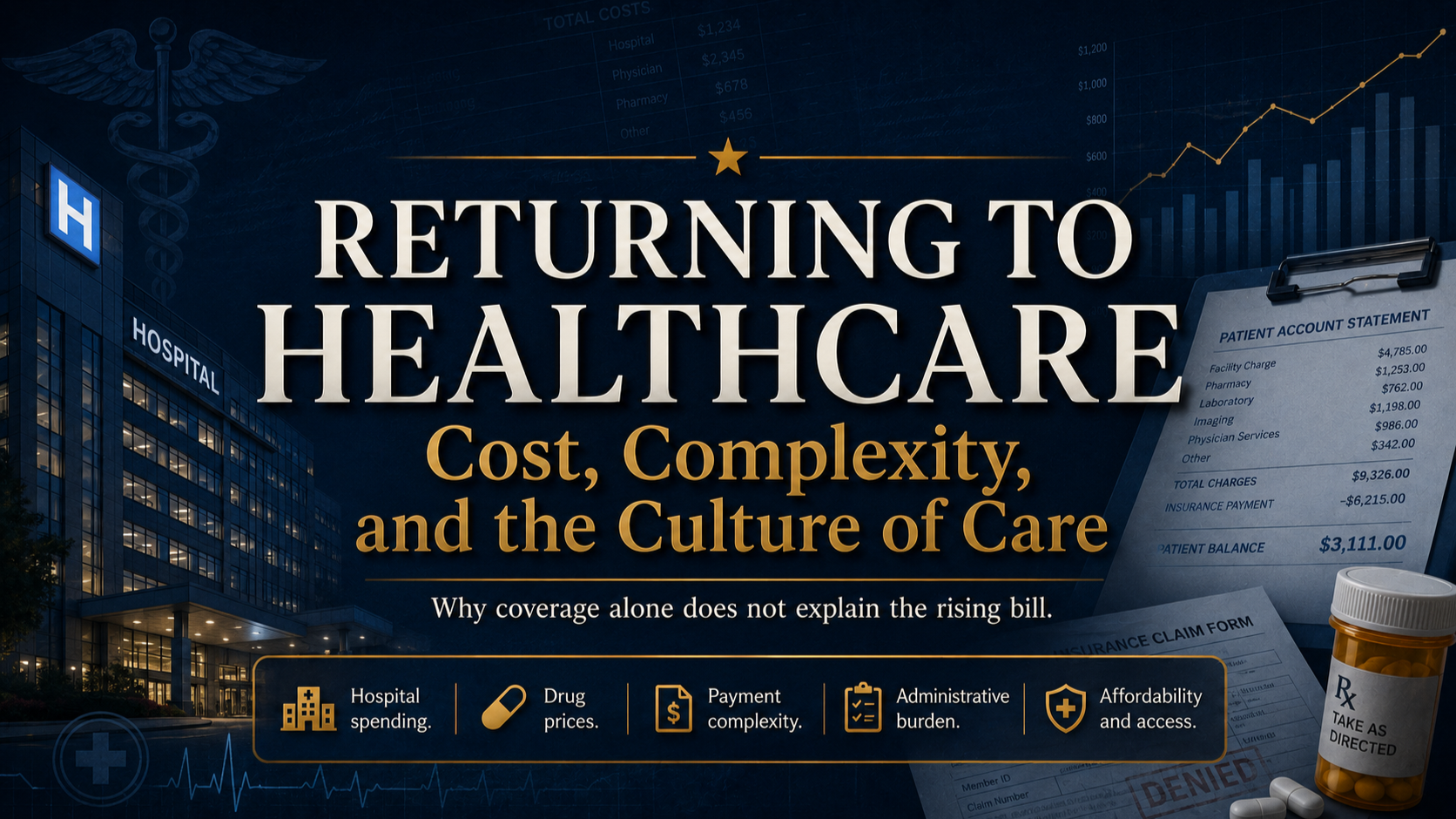
Returning to Healthcare: Cost, Complexity, and the Culture of Care
In this post, I return to healthcare from a broader vantage point. The central question is no longer simply who has insurance, but why the system remains so expensive, so administratively burdensome, and so often frustrating for both patients and clinicians. Coverage matters, but coverage alone does not explain rising hospital spending, drug-pricing strain, payment complexity, and the growing gap between the science of care and the experience of care.
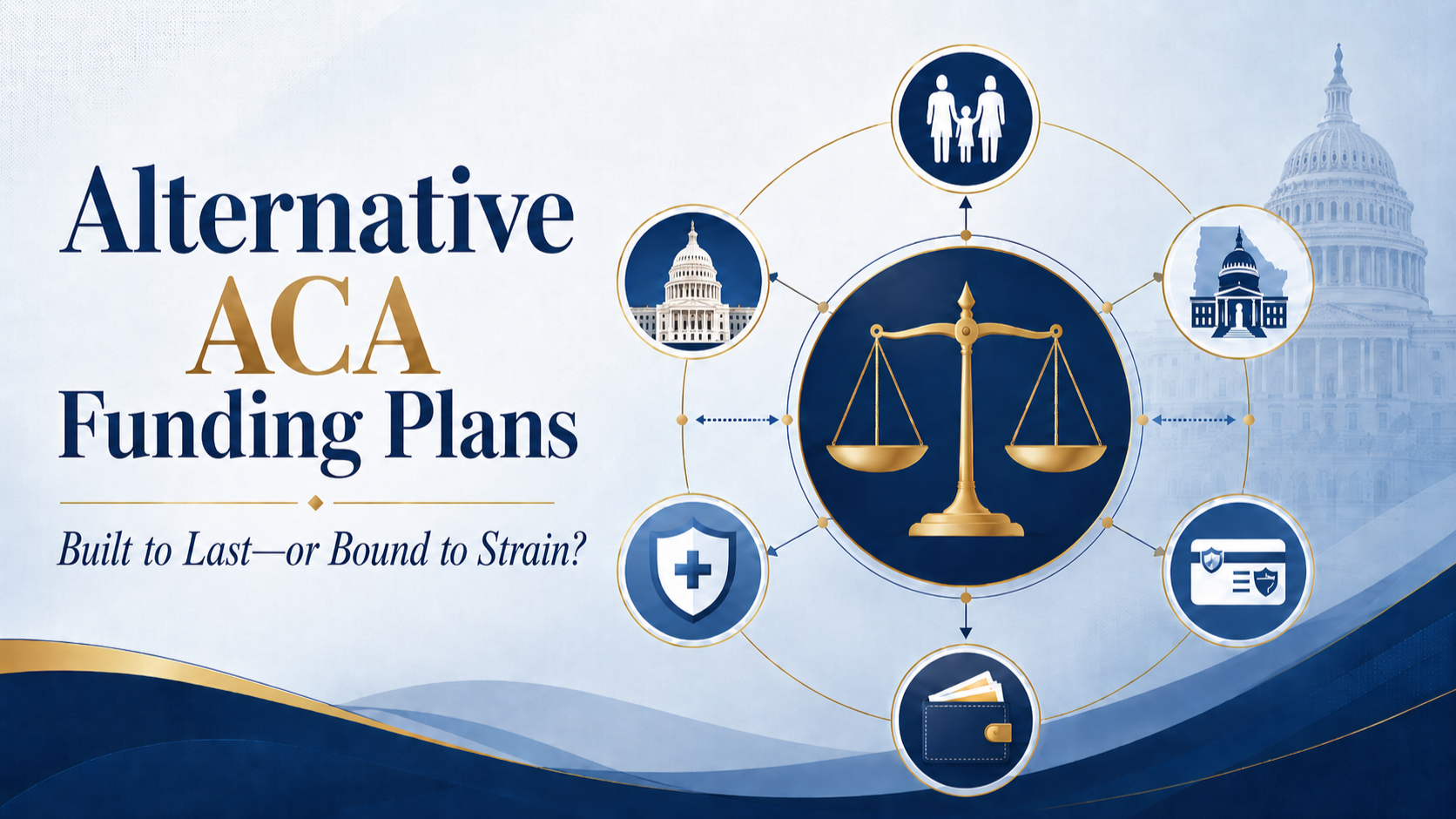
Understanding the Affordable Care Act, Part 5: Alternative Funding Plans
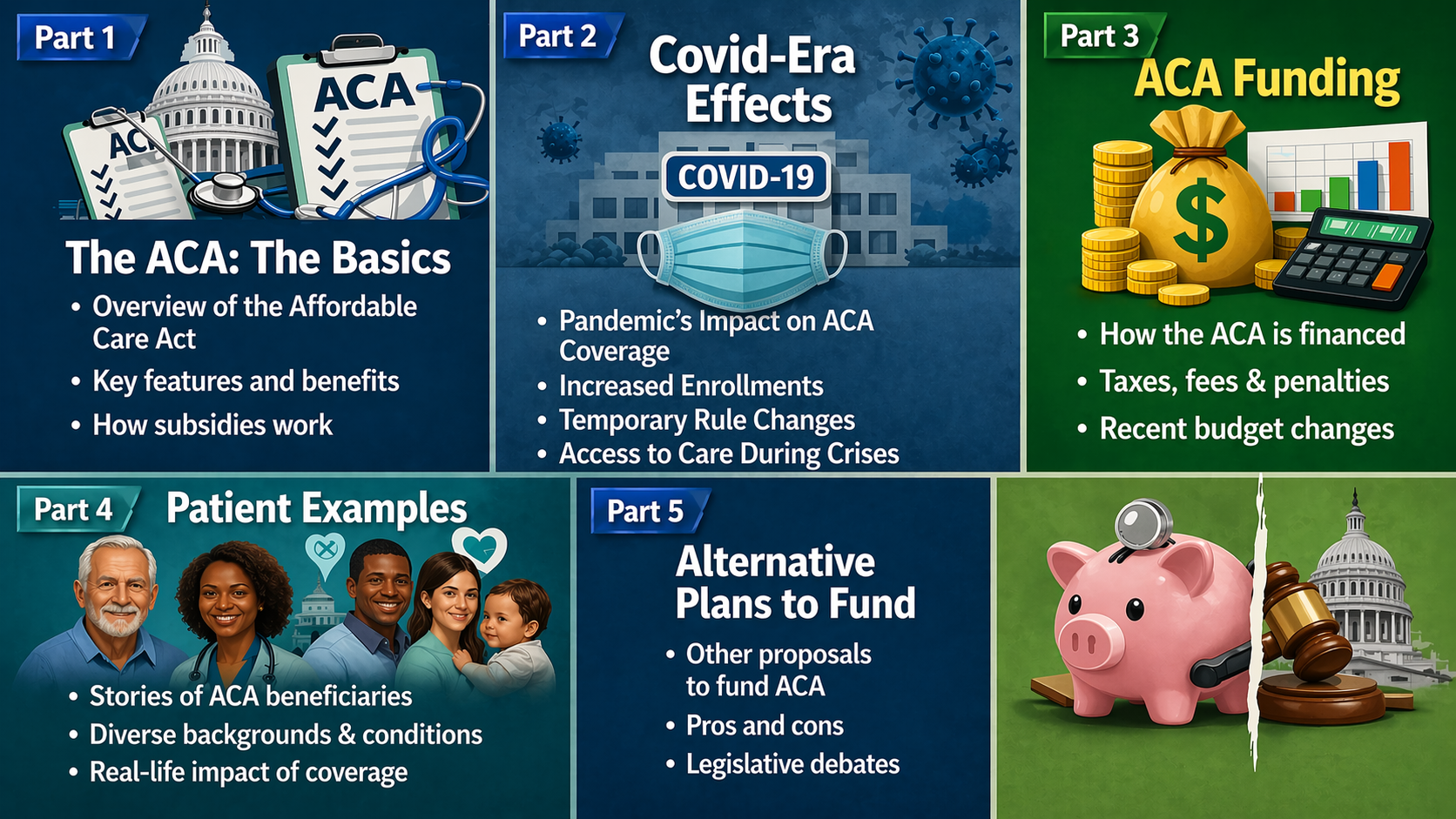
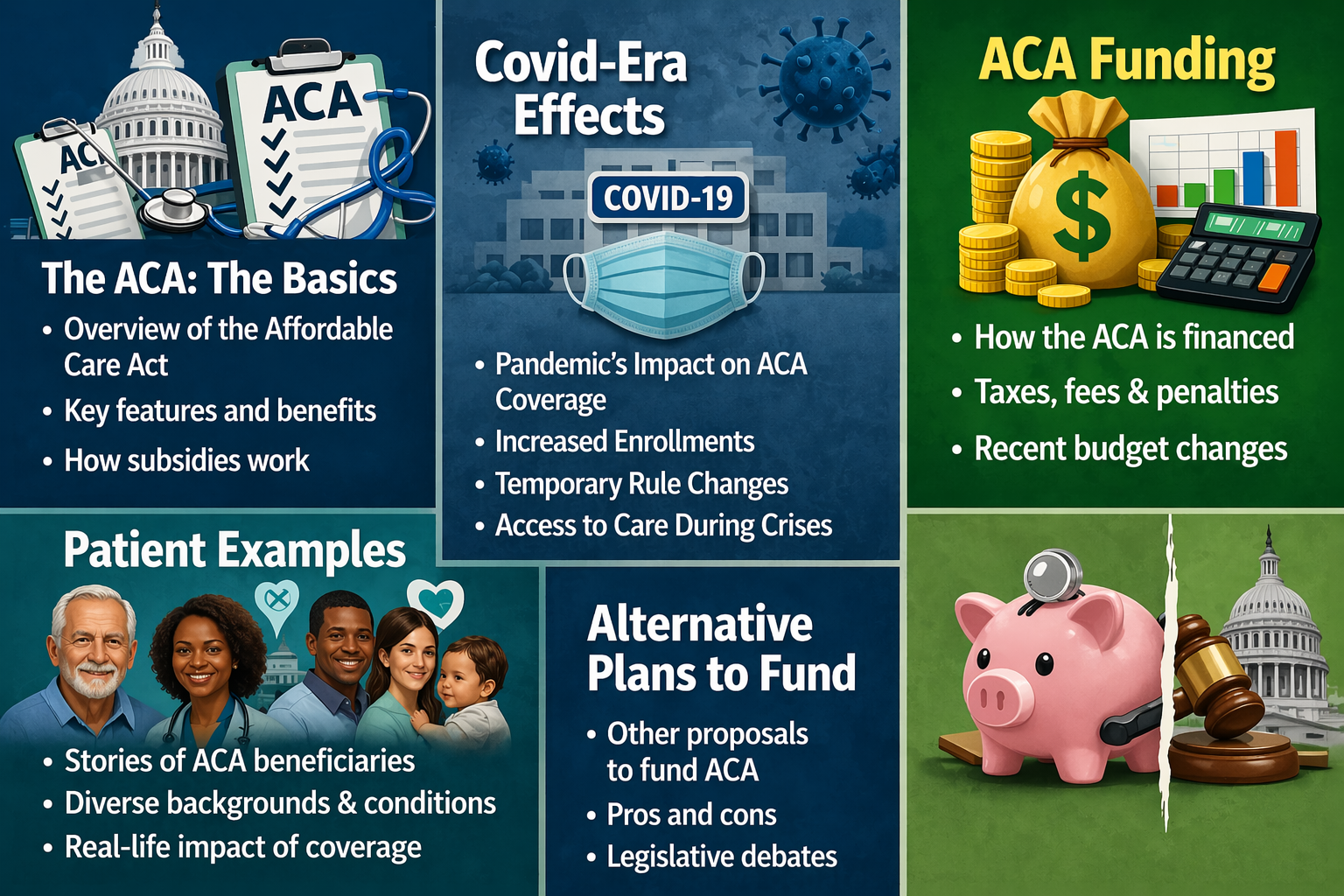
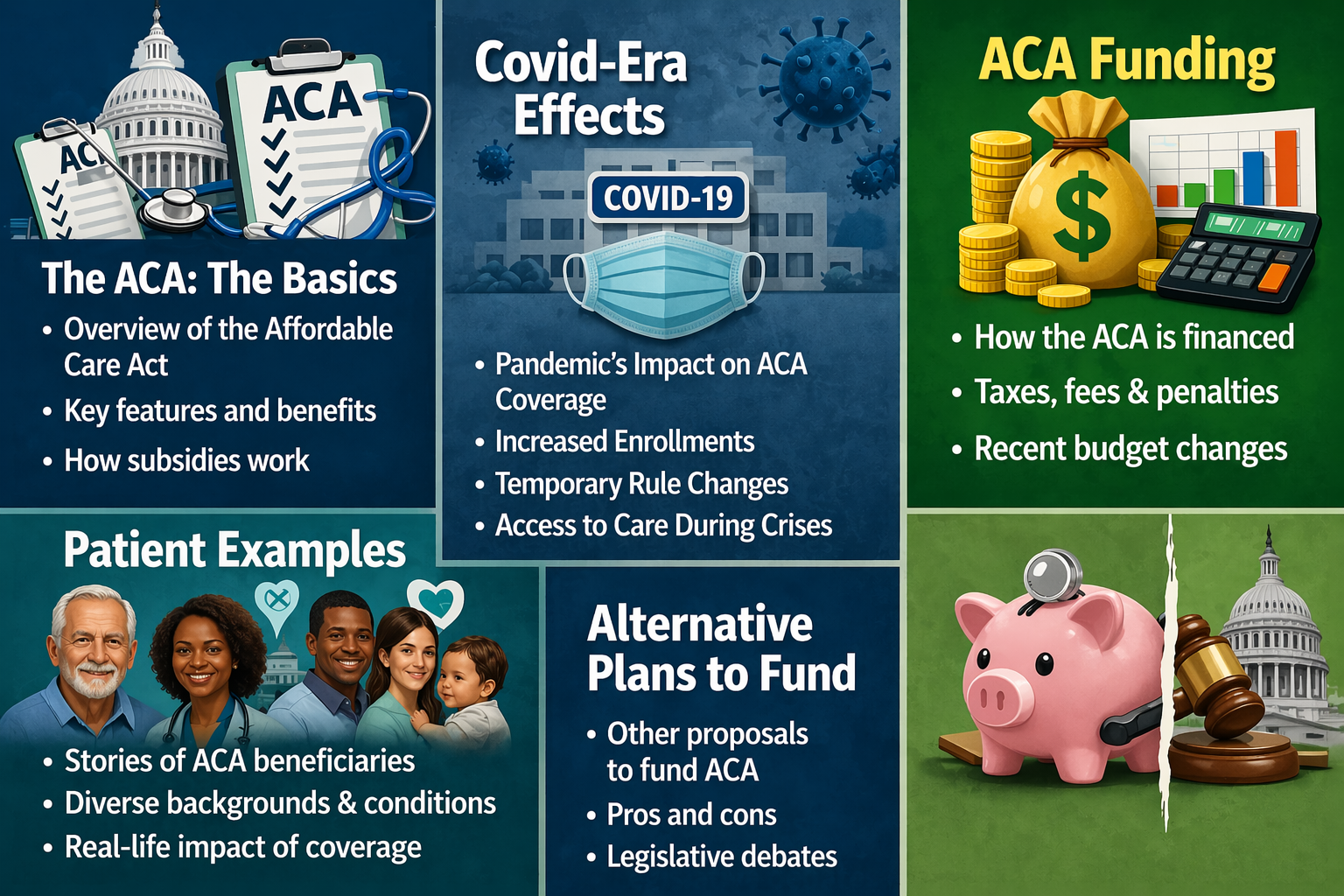
The ACA funding debate is not simply about whether subsidies should continue. It is about who bears the financial risk when healthcare costs rise: patients, taxpayers, states, insurers, employers, or the federal government. As enhanced premium tax credits expire, Congress faces competing choices—restore subsidies, modify them, redirect support through HSAs, expand state flexibility, or use practical tools like reinsurance to stabilize premiums. None is free. Each shift costs and risks in a different direction.
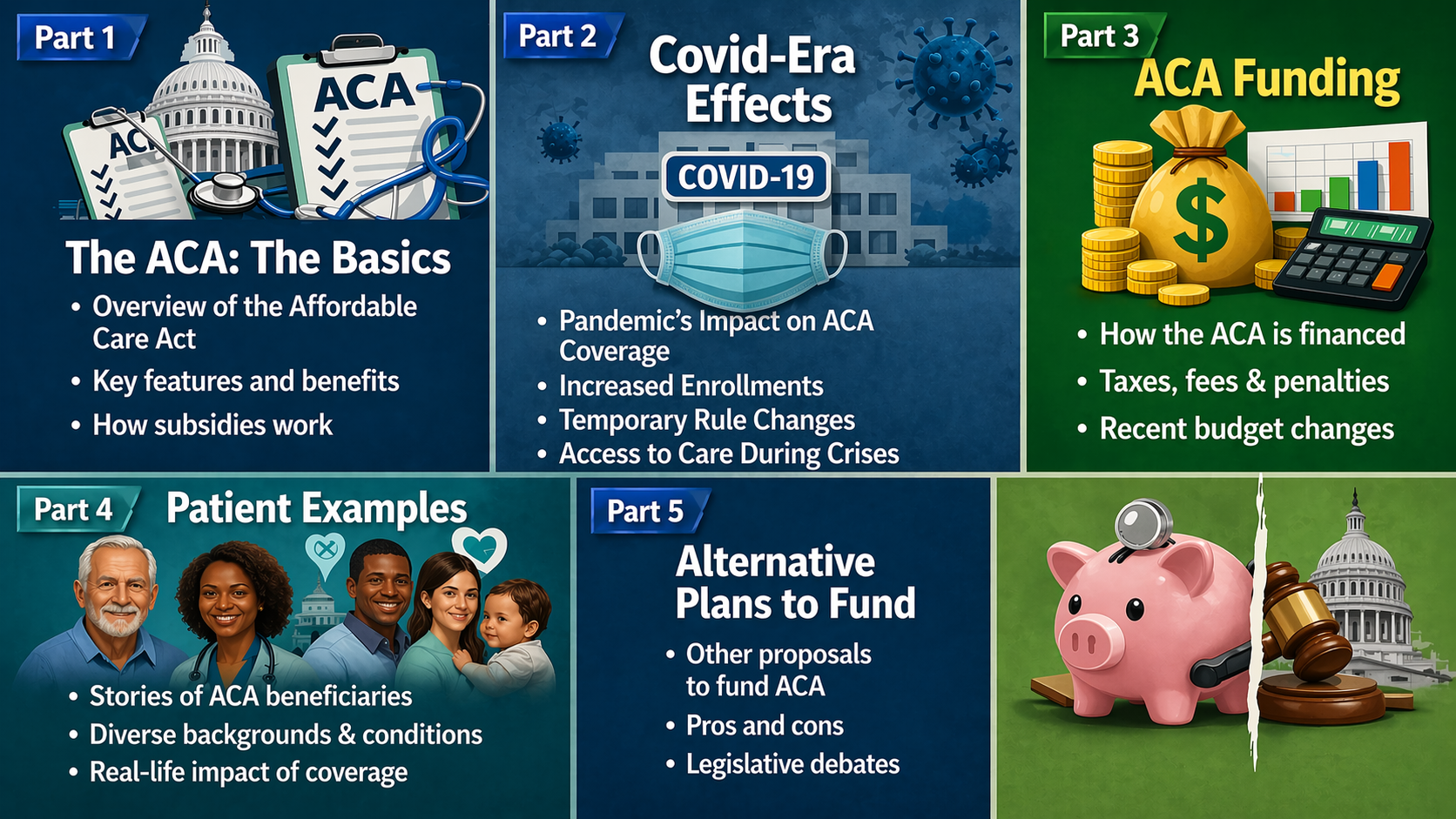
Understanding the Affordable Care Act, Part 4: Patient Examples
This essay uses patient examples to show how the Affordable Care Act works in practice. By walking through premiums, subsidies, deductibles, and out-of-pocket expenses, it highlights how coverage can differ substantially depending on age, income, family size, and plan choice.
Understanding the Affordable Care Act, Part 3: Who Pays for the ACA?
How is the Affordable Care Act actually funded? Part 3 of this series looks at the dollars behind the law: federal spending, taxes and fees, subsidies, Medicaid expansion, and the budget tradeoffs that continue to shape the ACA’s future. The goal is not rhetoric, but clarity—how the money flows, who benefits, and why the funding debate remains central to health policy.
Understanding the Affordable Care Act, Part 2: How COVID Reshaped ACA Affordability
This second essay in my ACA series examines how the COVID era reshaped the Affordable Care Act. From expanded subsidies to major enrollment gains, the pandemic changed not only coverage numbers but also the public expectation of what affordable insurance should mean.

Briefs: What the Measles Resurgence Really Shows
Measles is back, but the real story is not as simple as politics, headlines, or blame. An evidence-based review suggests a more troubling pattern: outbreaks grow when the virus reaches communities where vaccination coverage has quietly weakened over years.
Understanding the Affordable Care Act, Part 1: The Basics
The Affordable Care Act expanded coverage, strengthened insurance protections, and made health care more affordable for many Americans, but its partisan passage shaped the political battles that followed.