
Essays Without the Noise
These essays are written with one goal in mind: more signal, less noise. Here you will find historical perspective, medical and policy analysis, and measured commentary on the presidency, healthcare, medicine, and public life—written to illuminate rather than inflame.

What Happened to Higher Education?
Universities increasingly must justify their cost, intellectual culture, standards, and stewardship of the learning environment. From tuition and student debt to ideological conformity, campus protests, antisemitism, and academic rigor, the larger question is simple: do students leave better able to think independently, continue learning, and contribute meaningfully? And does the University nurture the conditions for everyone to feel safe and learn.

An Interlude On Dolly Parton and the Choice to Get Better
A chance encounter with a Dolly Parton quote about reading became something much more personal: a reflection on lifelong learning, intellectual humility, and why I write. Education does not end with a diploma. We can keep questioning what we think we know, getting better, and passing what we learn along.
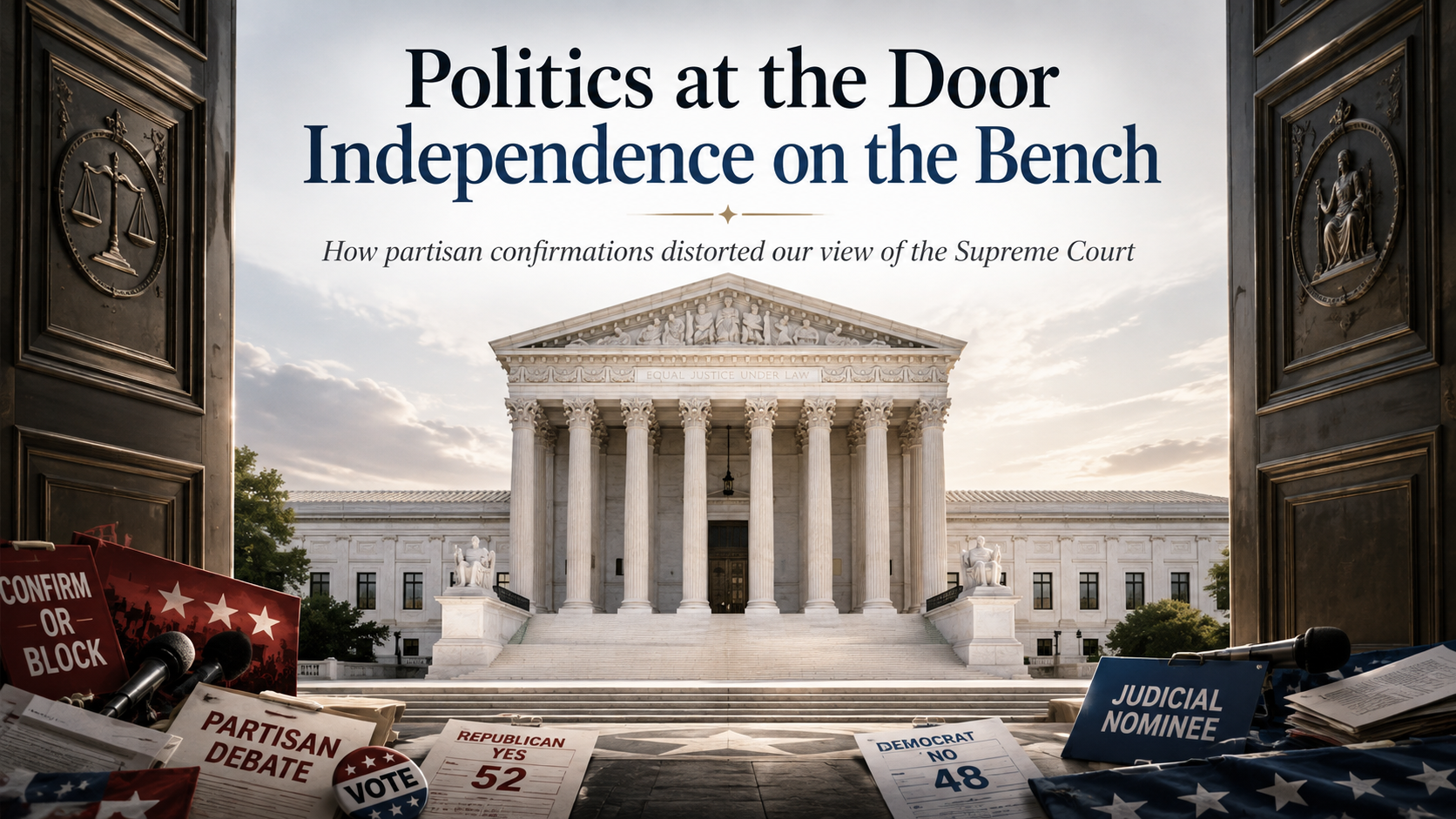
Politics at the Door, Independence on the Bench
The Supreme Court is widely viewed as a political institution—but the evidence is more complicated. A look at judicial independence, lifetime tenure, increasingly partisan confirmations, and recent Court decisions suggests that we may have politicized the process of choosing justices more than the justices themselves.
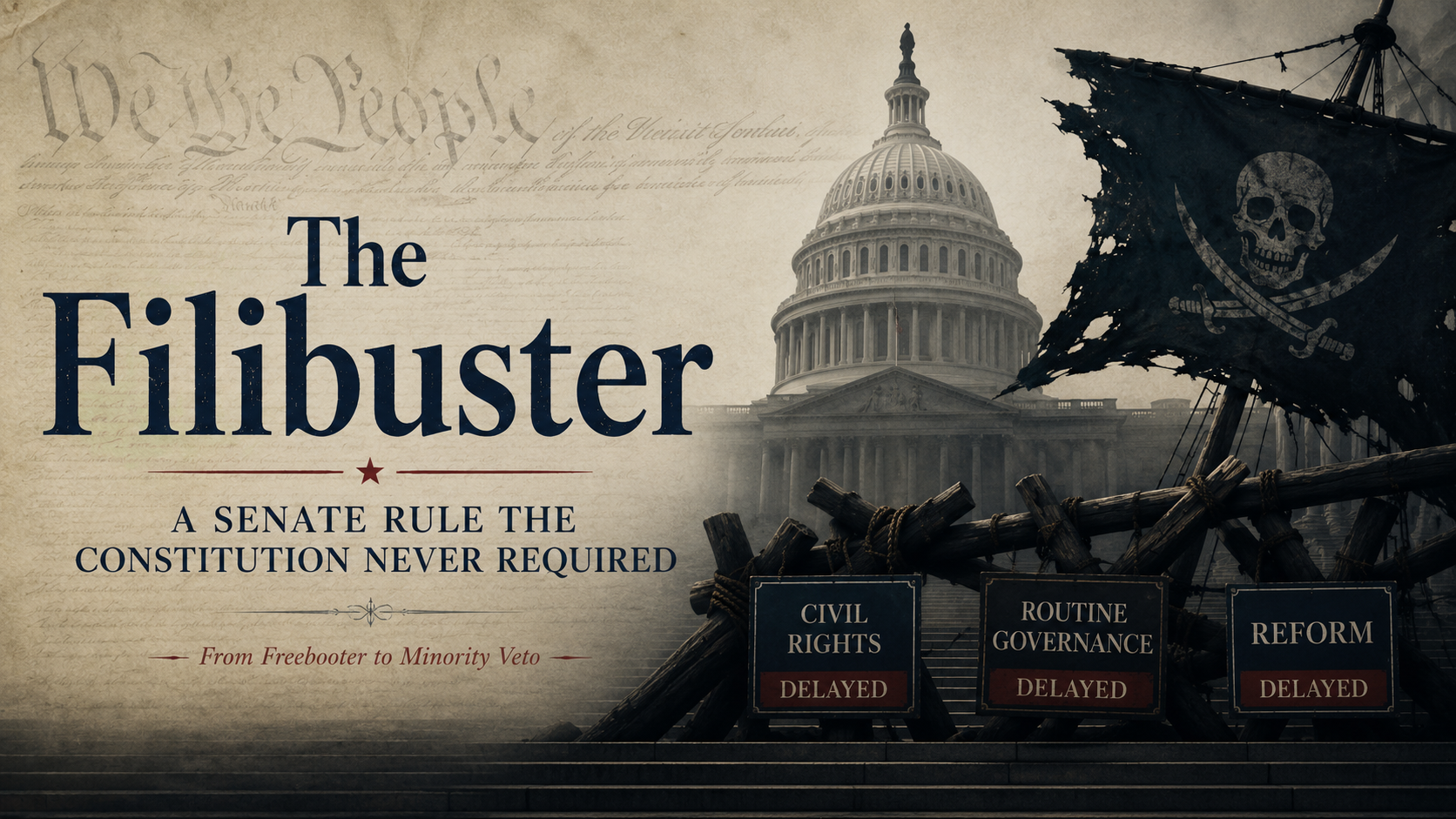
The Filibuster: From Freebooter to Minority Veto
The filibuster was not created by the Constitution, and the Founders never required 60 votes for ordinary legislation. What began as a procedural accident evolved into a powerful minority veto—one that delayed civil-rights legislation, complicates routine governing, and can make it harder to fund existing government than to confirm a lifetime federal judge. After looking more closely at its history and consequences, the case for keeping the modern filibuster becomes increasingly difficult to defend.
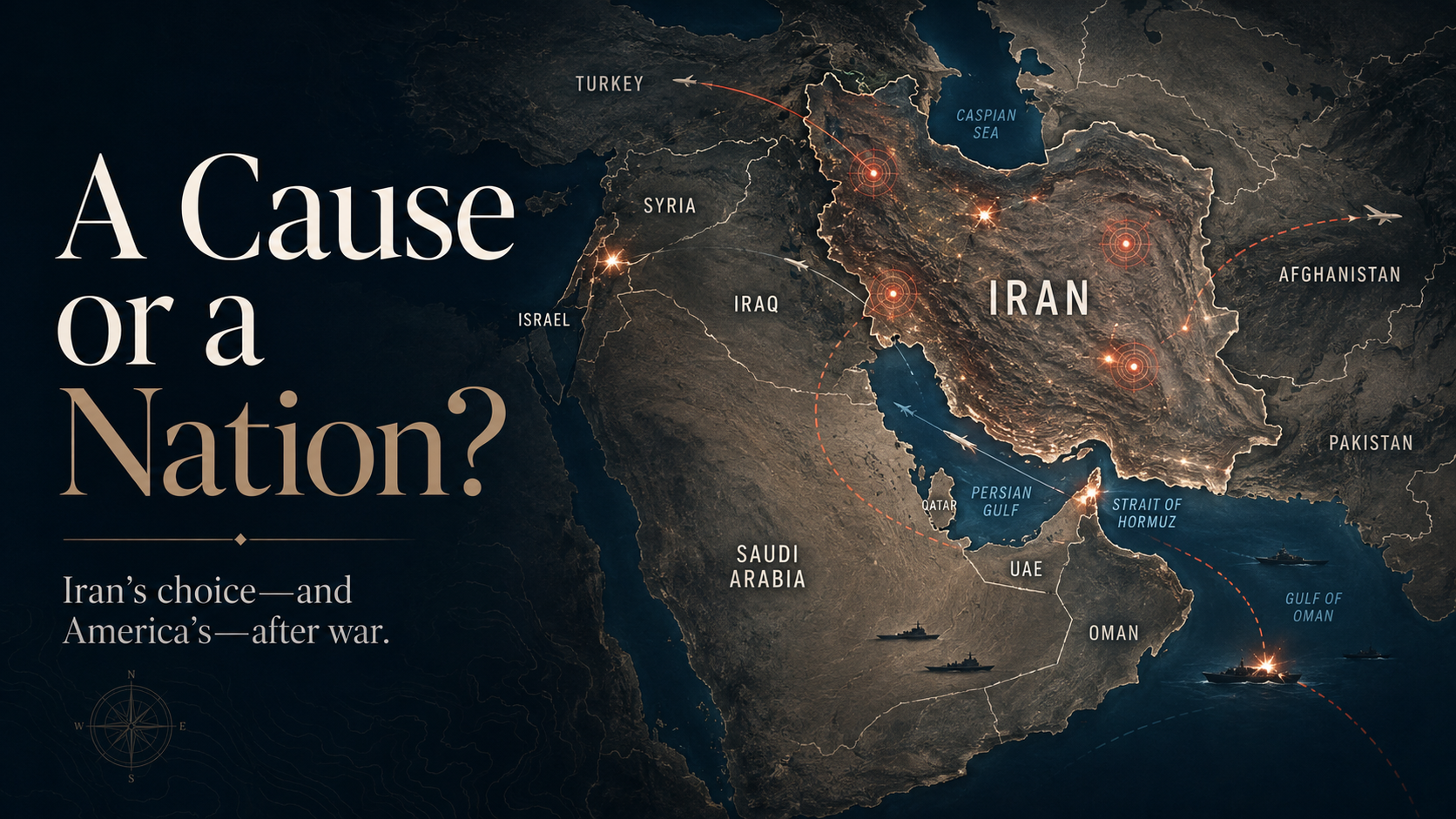
Iran and the Possibility of a Cold Peace
Iran and the United States have spent nearly half a century locked in distrust, retaliation, sanctions, and war. Yet Iran’s history, the nuclear threat, the Strait of Hormuz, and the poor record of imposed regime change all point toward a more realistic endgame: not friendship, but a verifiable cold peace in which sovereignty is respected, dangerous behavior has consequences, and compliance earns a path back to normal relations.
Climate and Energy in Plain English
After publishing a longer essay on climate change, energy, and public trust, this shorter version distills the central argument: climate change is real, but fear will not build the future. A durable climate strategy must be grounded in energy modernization — cleaner power, reliable systems, affordability, abundance, national security, nuclear seriousness, practical adaptation, and public trust.
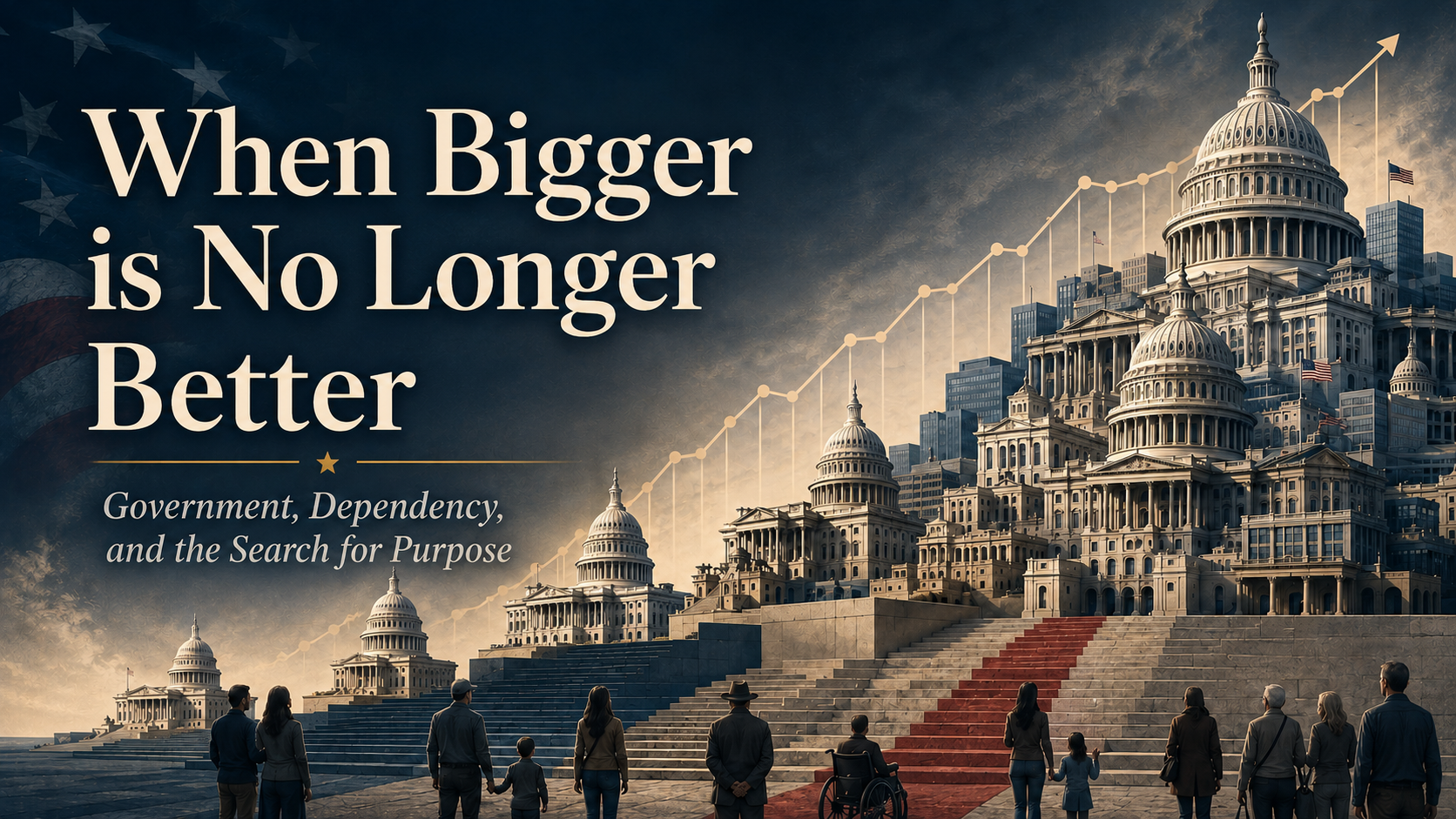
When Bigger Is No Longer the Answer
Government intervention helped rescue Americans during the Great Depression and later expanded healthcare, education, civil rights, and opportunity. But after nearly a century of growth, the harder question is whether more government can solve what an already enormous system has failed to fix—and where purpose must come from instead.
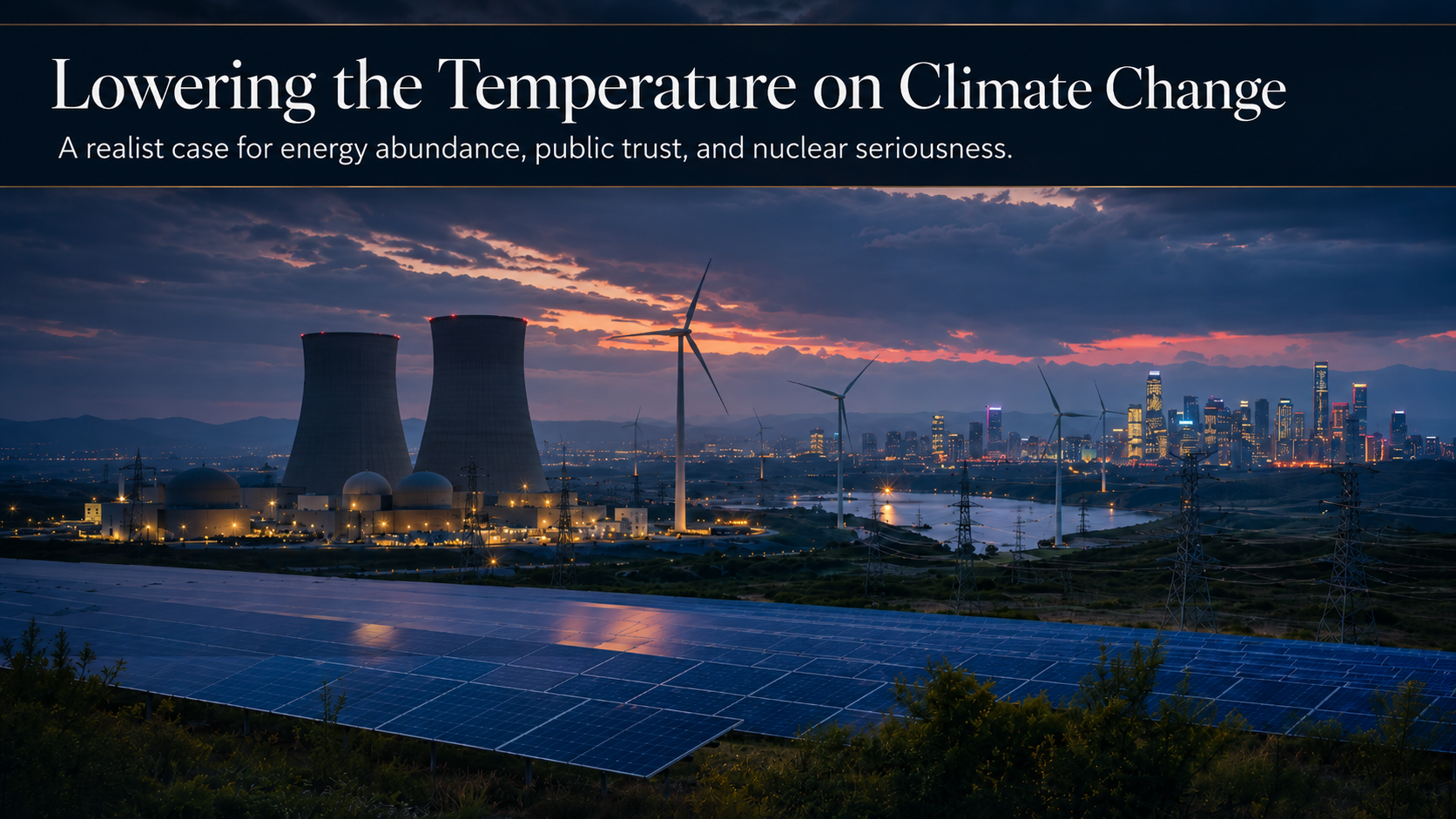
Lowering the Temperature on Climate Change
Climate change is real, but the public debate has too often been framed around fear, accusation, and impossible tradeoffs. A more durable climate argument begins with humility: the science is strong, but complex; energy security is non-negotiable; and cleaner systems must become more reliable, affordable, abundant, and trusted than the systems they replace. The question is not whether modern life should retreat. The question is whether we can build a better energy future.
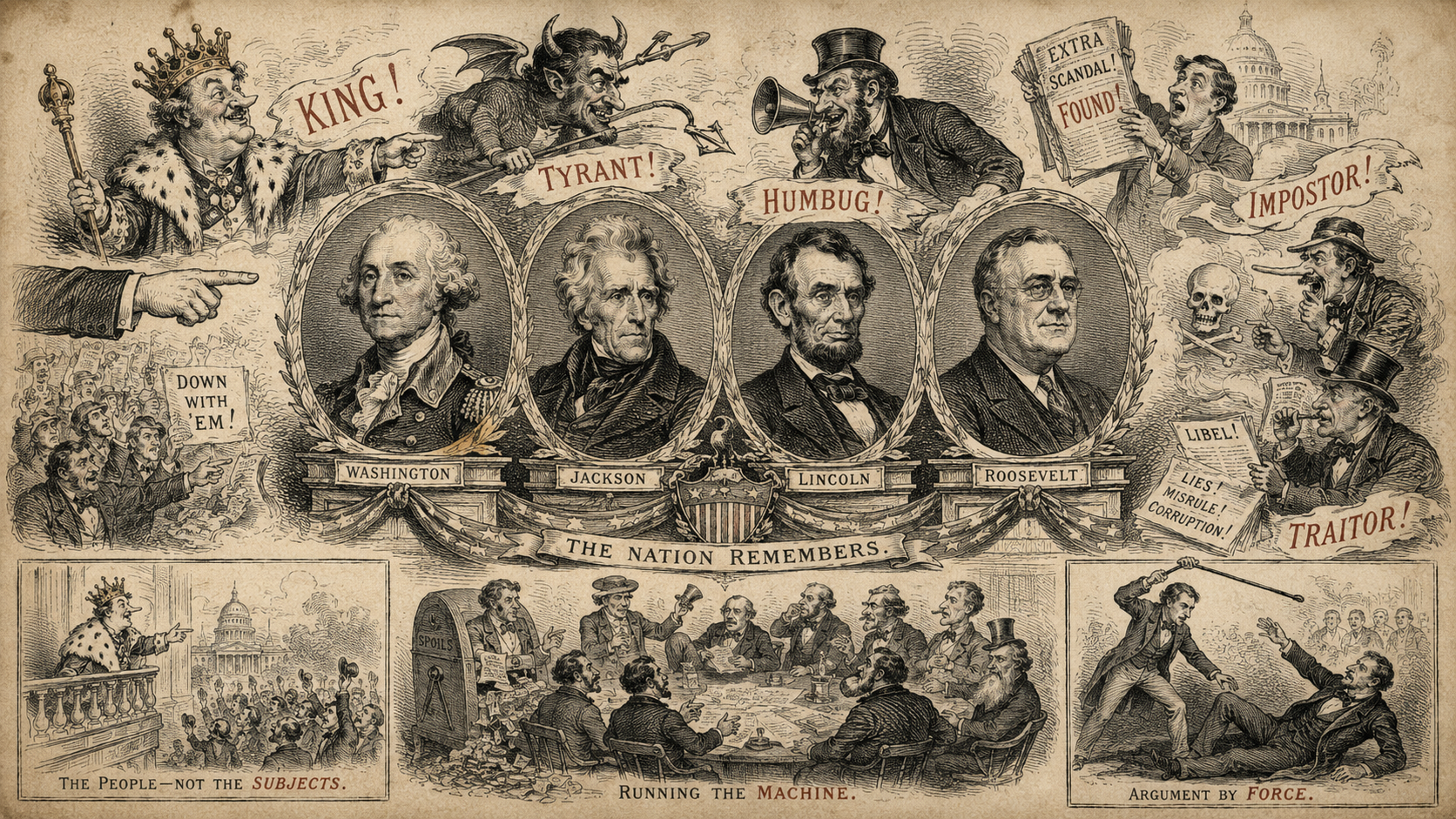
If You Think It’s Bad Now…
Political cruelty did not begin in 2016. George Washington was called an impostor, Andrew Jackson was dressed as a king, Martin Van Buren was crowned by Beelzebub, and Franklin Roosevelt was portrayed as a would-be dictator. The past was not kinder—it was simply less connected. What changed is the amplifier.
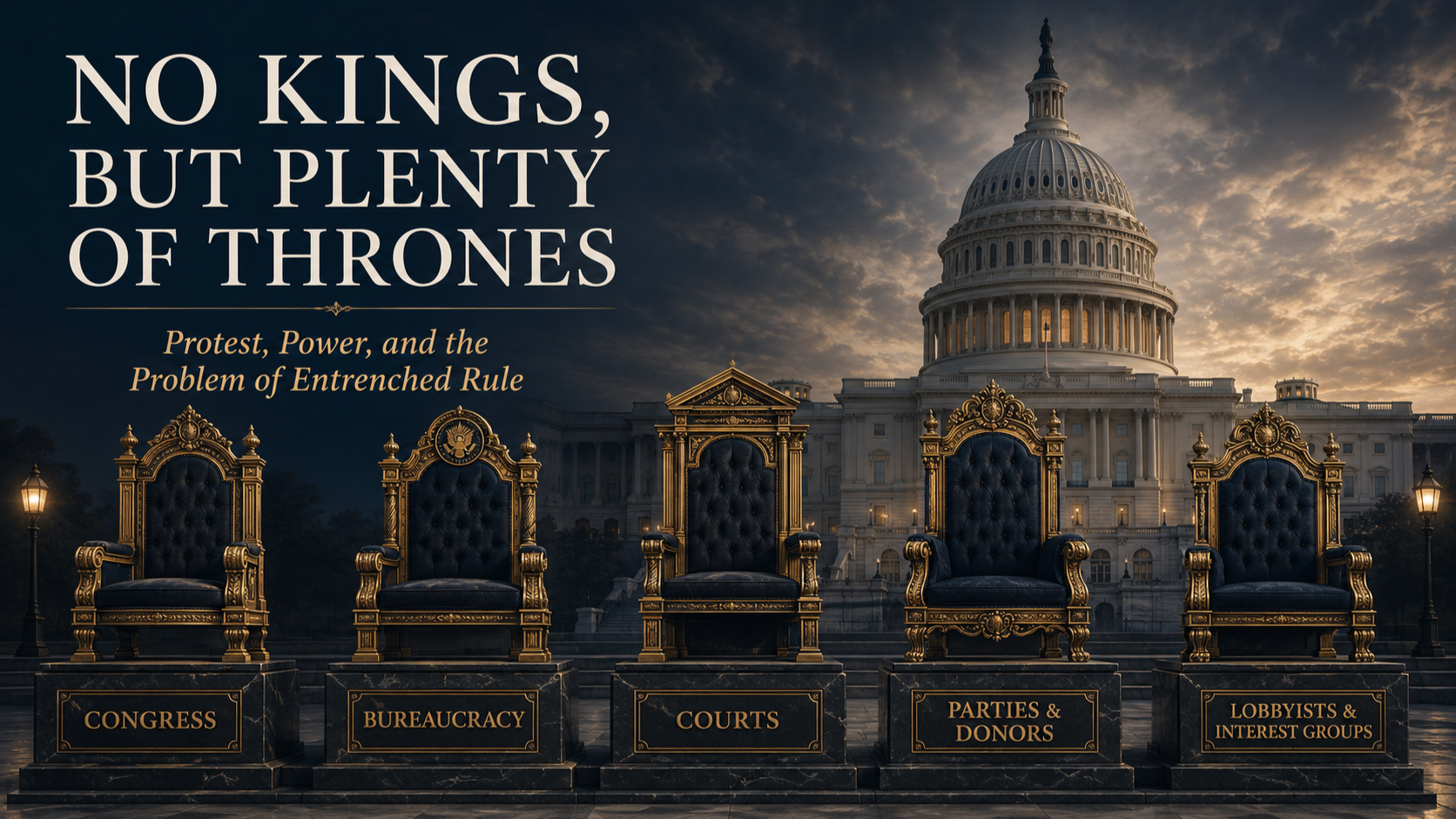
No Kings, But Plenty Of Thrones: Protest, Power, And The Problem Of Entrenched Rule
Americans have always protested presidents. But the deeper question is whether protest clarifies where power actually sits. The United States has no king, yet power can still become entrenched through career politicians, safe seats, party machinery, courts, agencies, donors, and bureaucracies that outlast elections.
“No Kings” is a powerful slogan. But if we take it seriously, the question should not be limited to the presidency. A republic can reject monarchy and still build thrones.

America at 250: Becoming Worthy of the Inheritance
A Fourth of July reflection on sacrifice, gratitude, and the obligation to become worthy of America’s inheritance.
Is Reform Even Possible? A Path Forward for American Healthcare
In this second essay, I move from diagnosis to prescription. The American healthcare problem runs deeper than coverage alone, and so must reform. This post examines hospital pricing, administrative bloat, primary care, drug intermediaries, patient powerlessness, healthcare literacy, AI, and the real political constraints that shape what reform can actually accomplish.
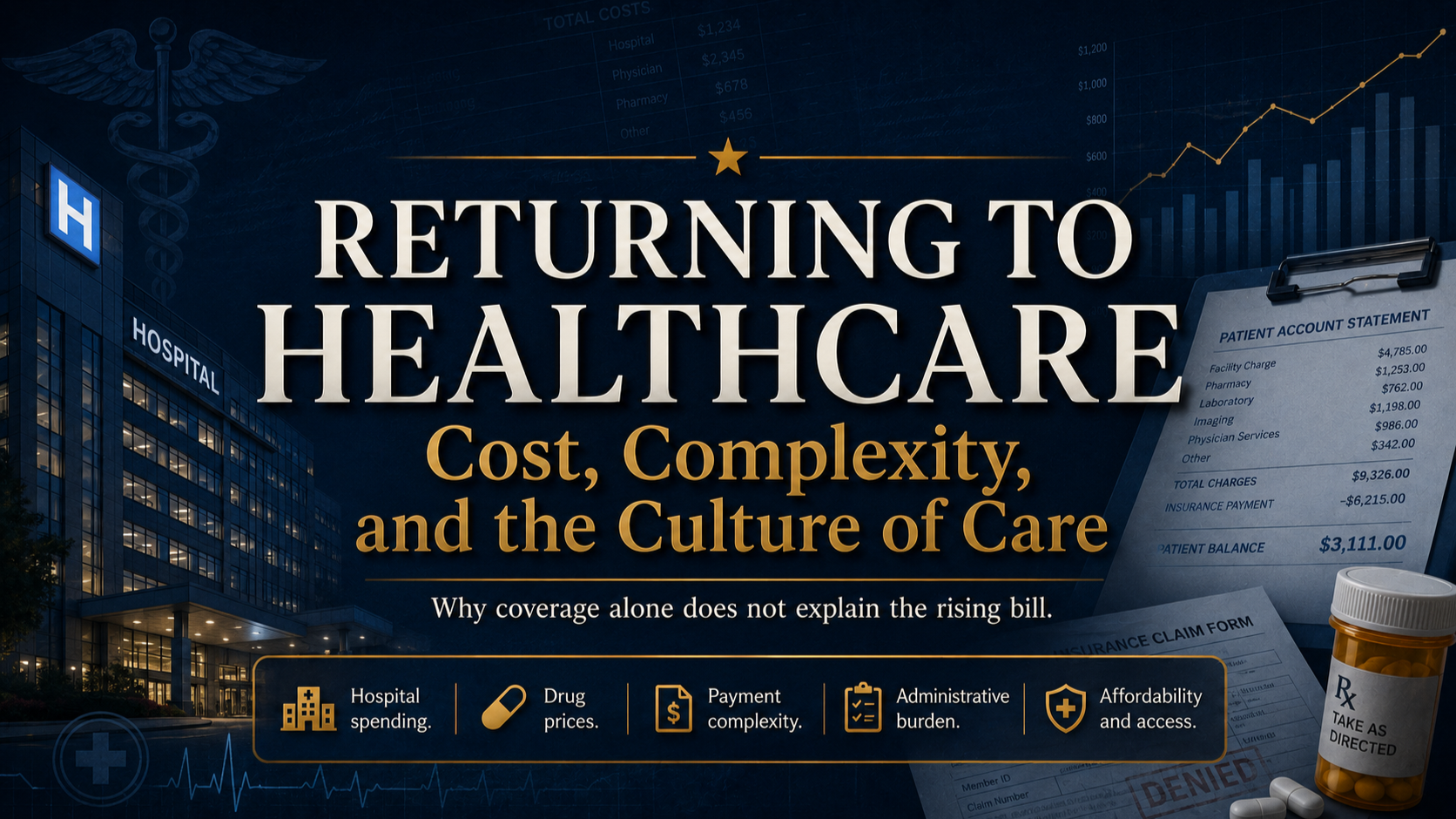
Returning to Healthcare: Cost, Complexity, and the Culture of Care
In this post, I return to healthcare from a broader vantage point. The central question is no longer simply who has insurance, but why the system remains so expensive, so administratively burdensome, and so often frustrating for both patients and clinicians. Coverage matters, but coverage alone does not explain rising hospital spending, drug-pricing strain, payment complexity, and the growing gap between the science of care and the experience of care.
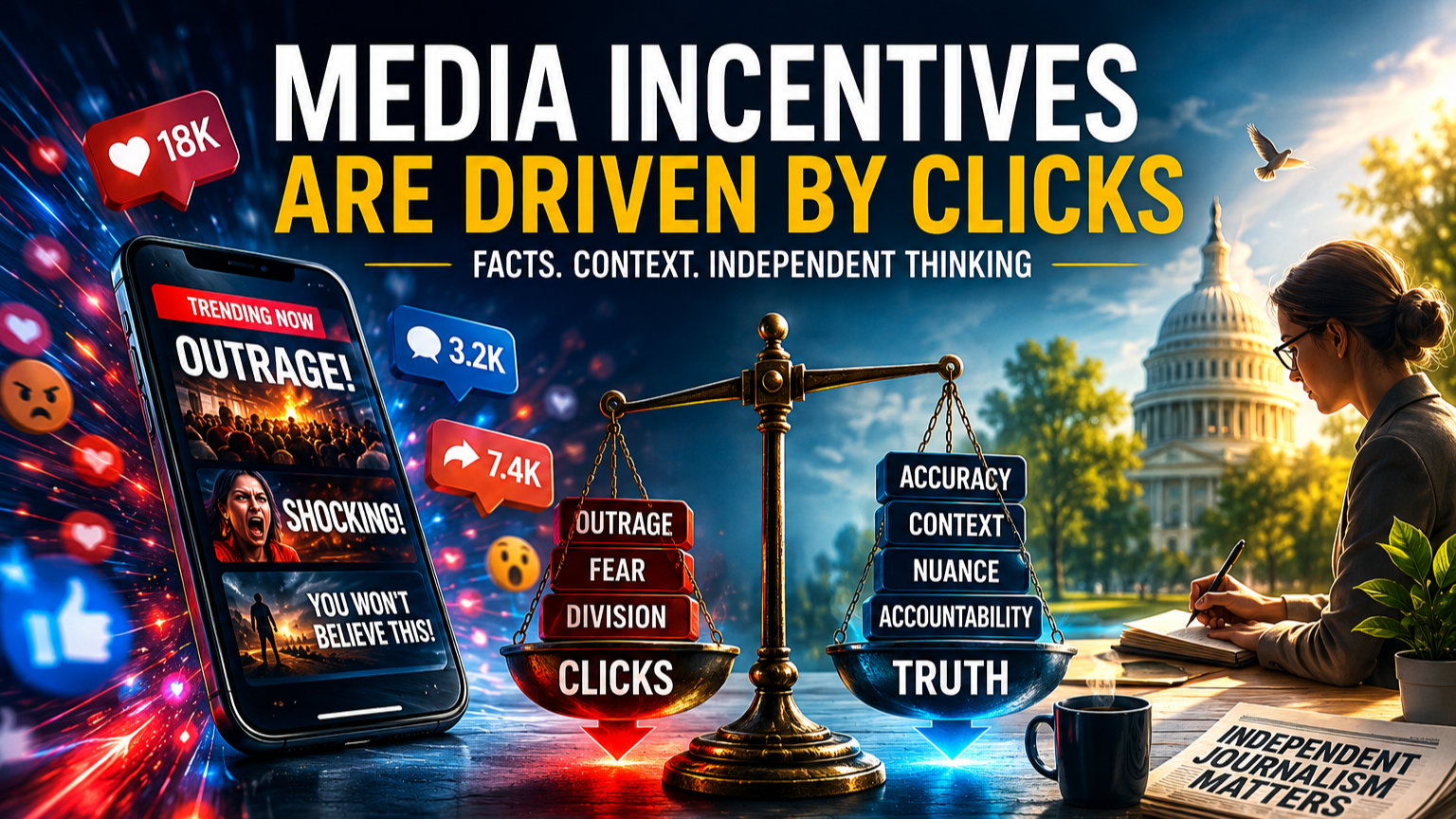
Credibility in an Age of Noise
Trust in the media has fallen while the volume of information has exploded. Yet the challenge facing citizens today is larger than deciding which news sources to trust. We now navigate an information ecosystem shaped by algorithms, artificial intelligence, audience incentives, commentary, and declining institutional credibility. This essay examines why evaluating news has become more difficult, what research tells us about modern media incentives, and how readers can develop a disciplined approach to separating reporting, opinion, and persuasion.
Why Polls Fail – and Why We Still Need Them
Polls can help us see beyond our own circle, but they can also mislead when treated as predictions or political weapons. This essay looks at why polls fail, why they still matter, and how citizens can use them without being managed by them.
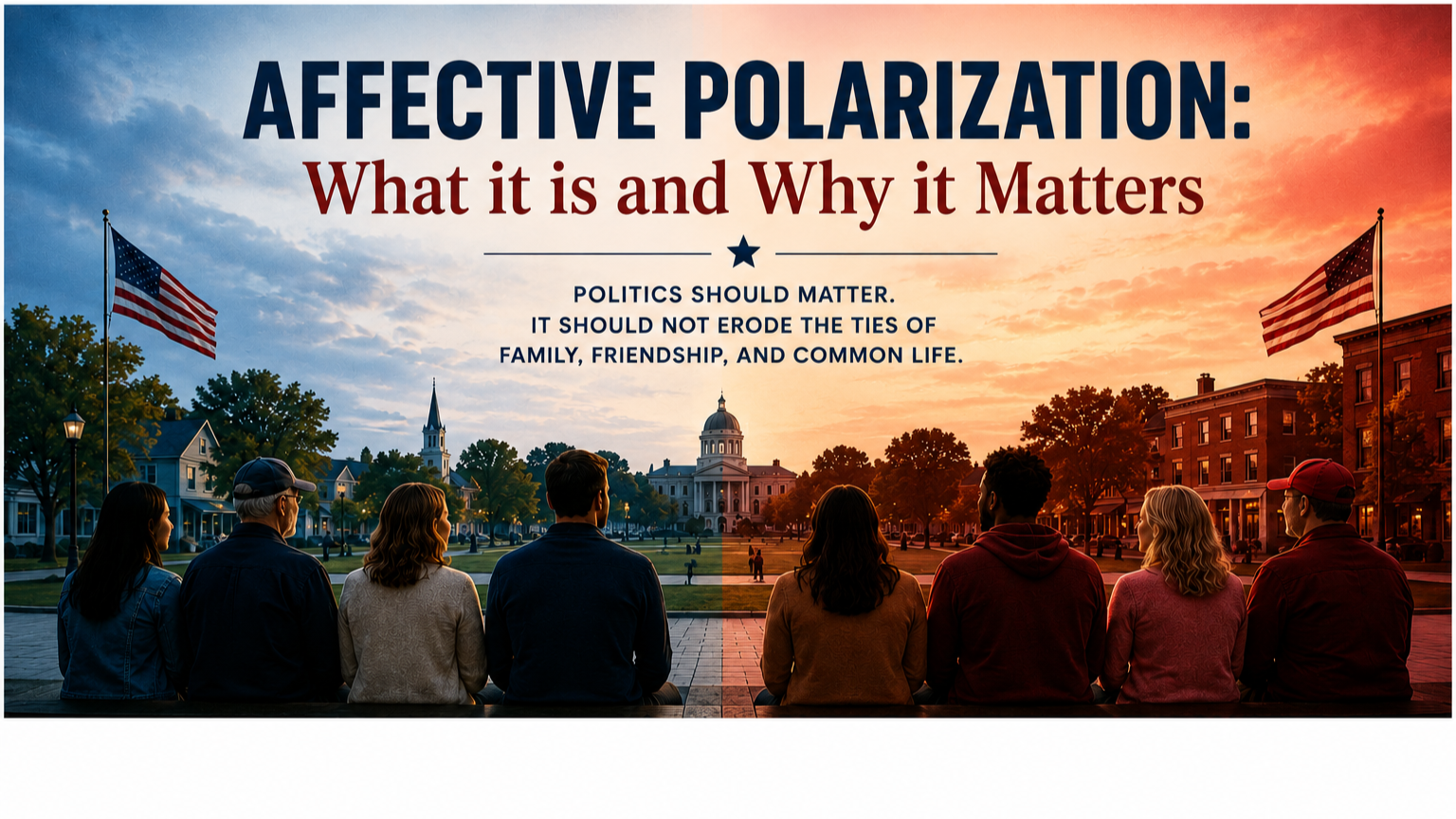
Affective Polarization: What it is and Why it Matters
Politics is not just dividing Americans by policy. It is teaching us to see one another through the lens of caricature, suspicion, and moral contempt. This essay looks at affective polarization, the role of media and digital life in inflaming it, and why recovering proportion, common decency, and shared everyday bonds may matter more than ever.
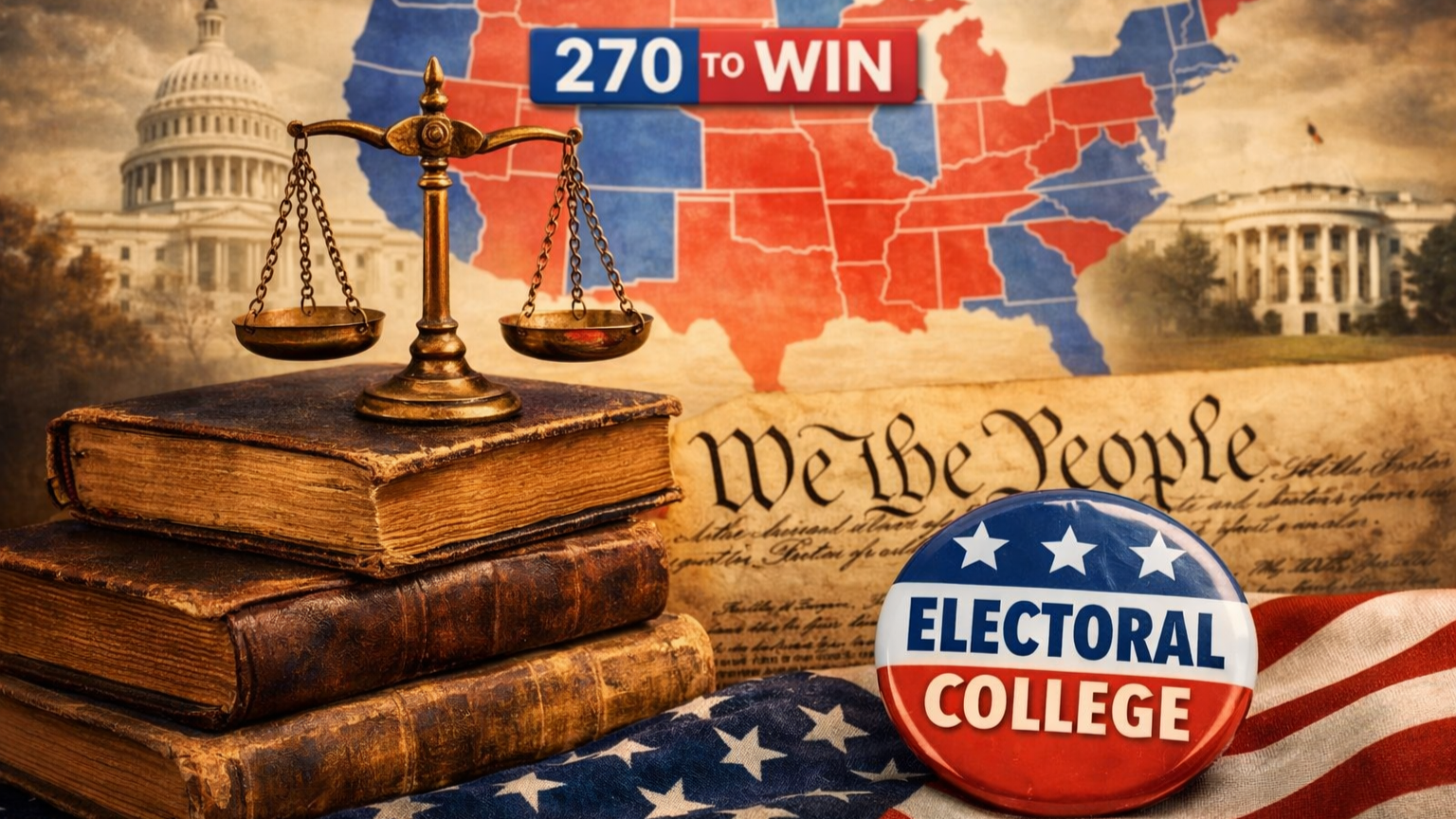
The Electoral College and the Federal Bargain
The Electoral College remains one of the most debated features of the American constitutional system because it sits at the intersection of democracy, federalism, and history. Created as part of the founding compromise between national popular rule and state-based political power, it was designed to preserve a meaningful role for the states—especially smaller states—in choosing the president. That same logic helps explain both its strengths and its frustrations today.
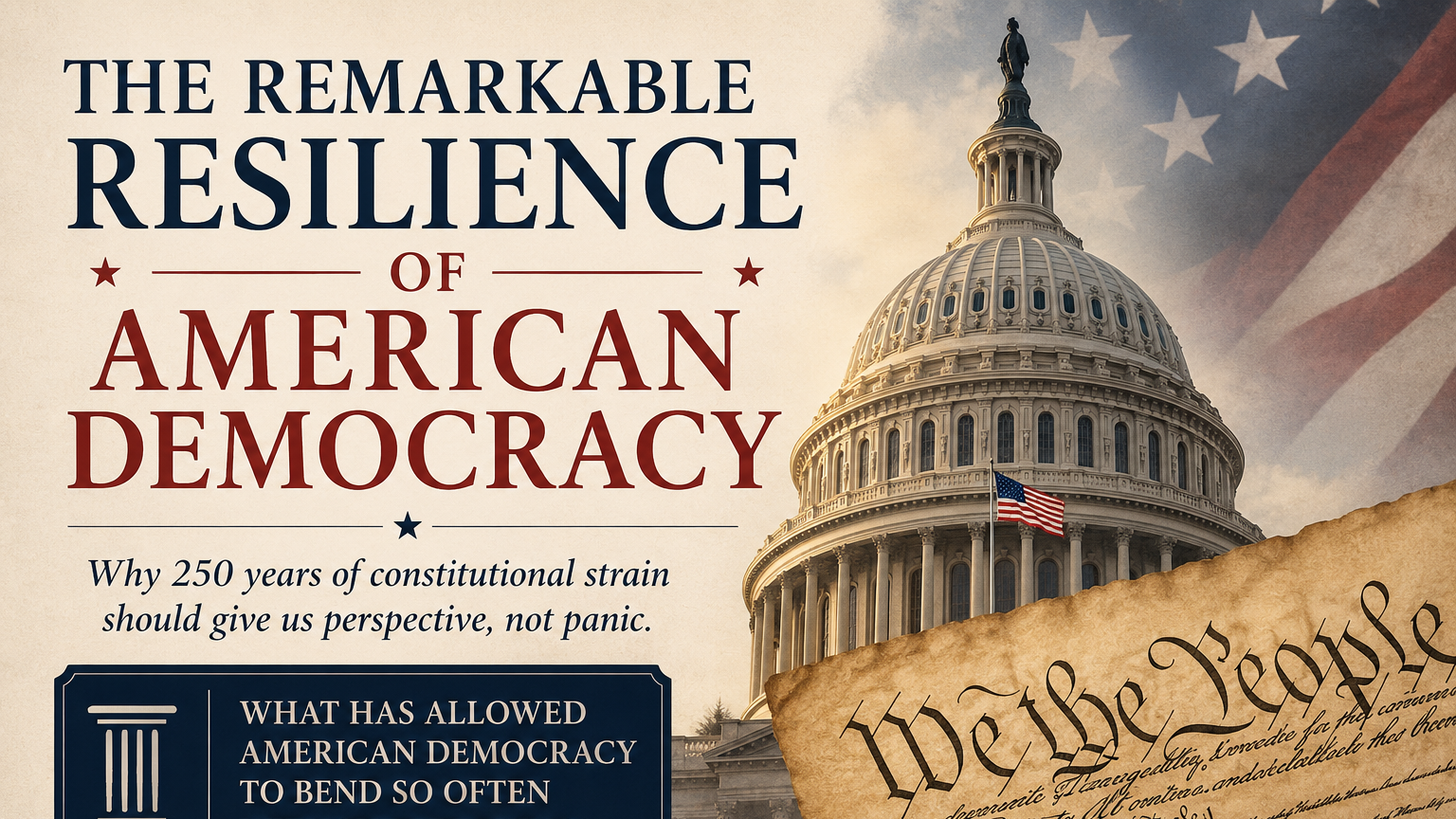
The Resilience of American Democracy
For nearly 250 years, American democracy has been tested by conflict, crisis, distrust, and overheated political rhetoric. Yet the republic has endured in large part because its governing structure is unusually layered: divided among branches, dispersed across 50 constitutional states, and sustained by courts, elections, civic institutions, and public argument.
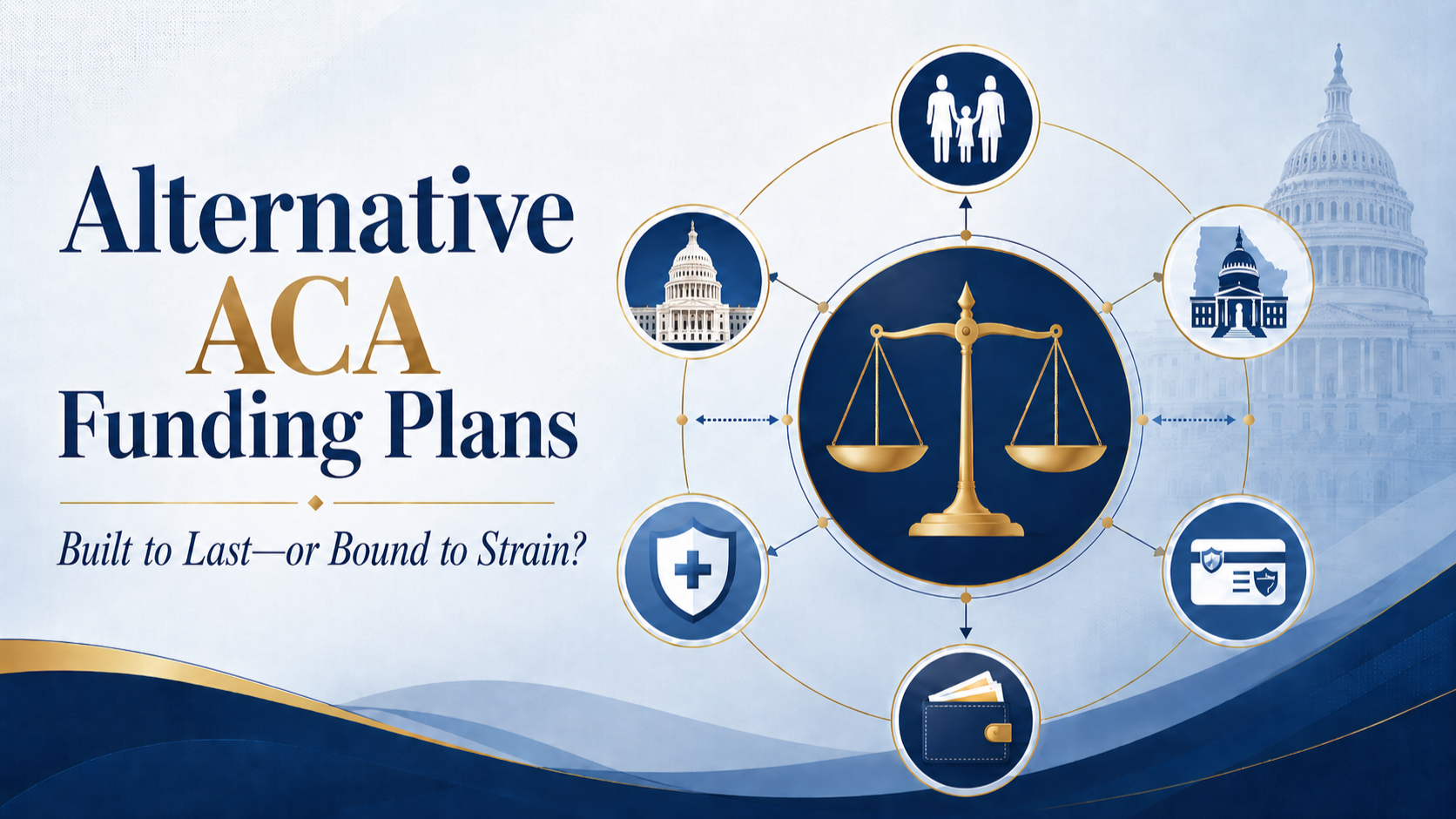
Understanding the Affordable Care Act, Part 5: Alternative Funding Plans
The ACA funding debate is not simply about whether subsidies should continue. It is about who bears the financial risk when healthcare costs rise: patients, taxpayers, states, insurers, employers, or the federal government. As enhanced premium tax credits expire, Congress faces competing choices—restore subsidies, modify them, redirect support through HSAs, expand state flexibility, or use practical tools like reinsurance to stabilize premiums. None is free. Each shift costs and risks in a different direction.
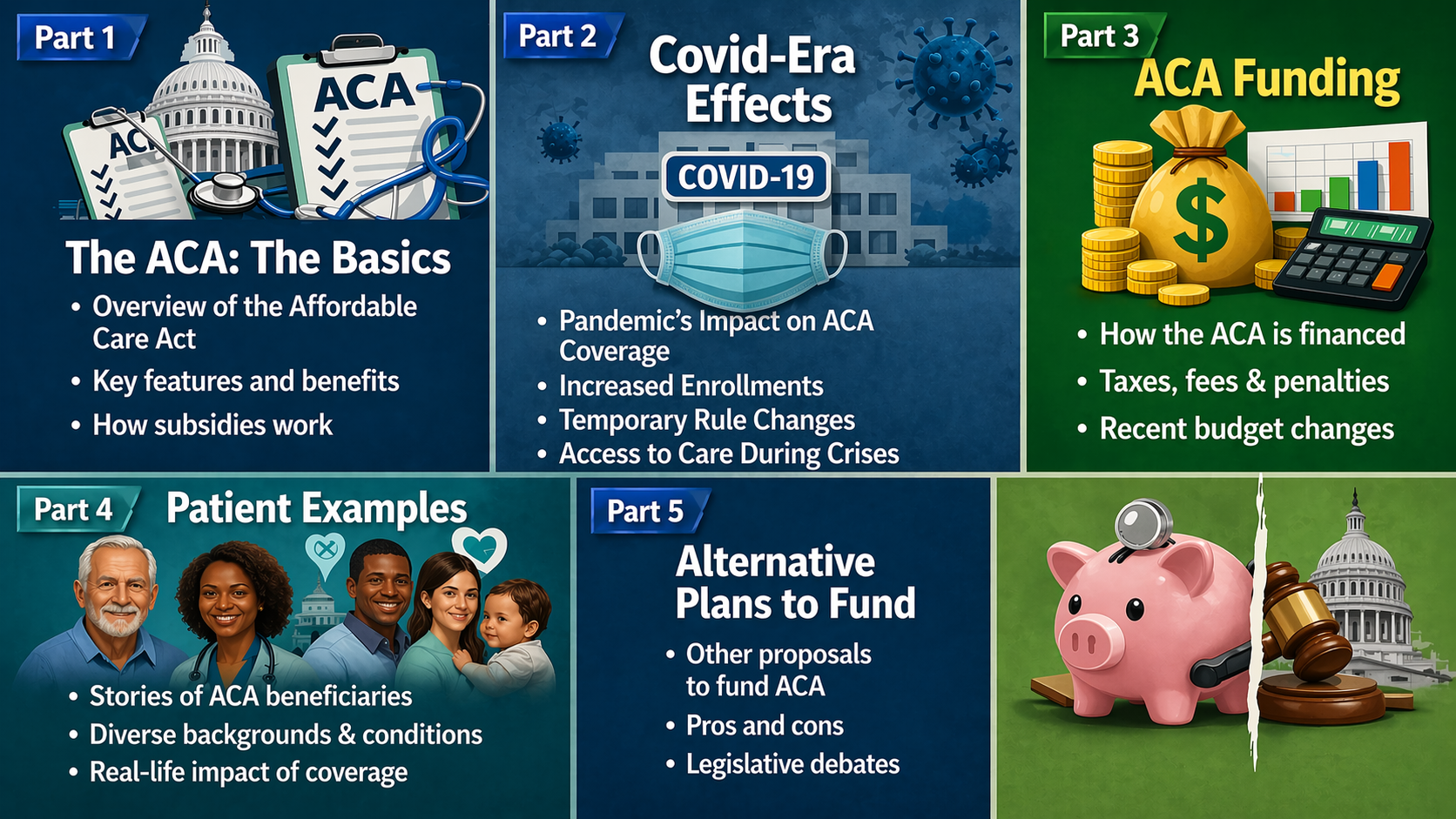
Understanding the Affordable Care Act, Part 4: Patient Examples
This essay uses patient examples to show how the Affordable Care Act works in practice. By walking through premiums, subsidies, deductibles, and out-of-pocket expenses, it highlights how coverage can differ substantially depending on age, income, family size, and plan choice.